
Some years ago, I lived through the creation of England’s regional development agencies, and I watched them abolished after little more than a decade. The stated aim was to reduce public spending in urban planning practice, yet I could not shake the thought that the decision was also political, and that something more than a […]
Urban Planning
Real Estate Market Cycles: 3 demand growth-change scenario
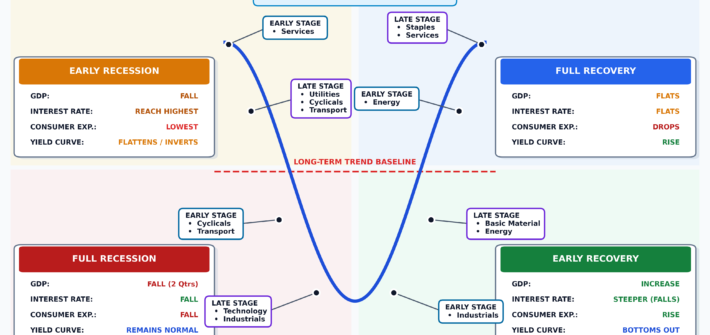
Real estate market cycles do not move alone. They follow the wider economic cycle, and the three scenarios below are built on economic cycle data. Real estate market cycles include four phases: recovery, expansion, hyper supply, and recession. Recovery is the phase following a great recession, when occupancy and rents are low and construction slows, […]
Rational Planning in Practice: Dead in Theory, Still at Work
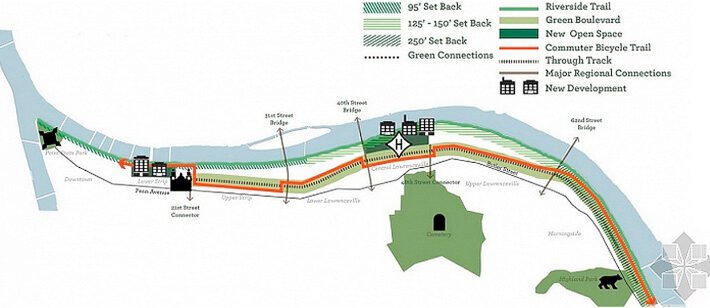
Origins, application, decline and survival of the rational planning paradigm, with a Dubai case from practice and a comparison of planning systems Few ideas in planning have been declared dead as often as the rational planning paradigm, also called the rational planning model, and few have survived so well. Theorists buried it in the 1970s. […]
Green Belt in Practice: Origin, Development, and Outcomes
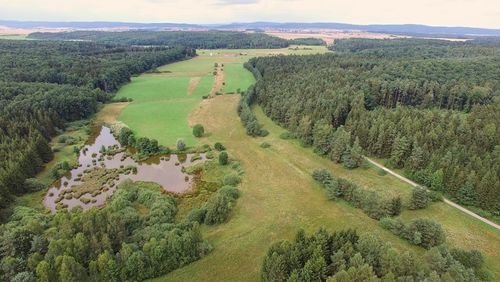
Introduction The green belt is a term that students of architecture, urban design and planning meet early. It comes up in undergraduate planning courses, and anyone who works in an urban design or planning firm will come across it often. My own experience was different. In my earlier professional career, I did not come across […]
Parkside Strategic Rail Freight Interchange planning application: what to evaluate?
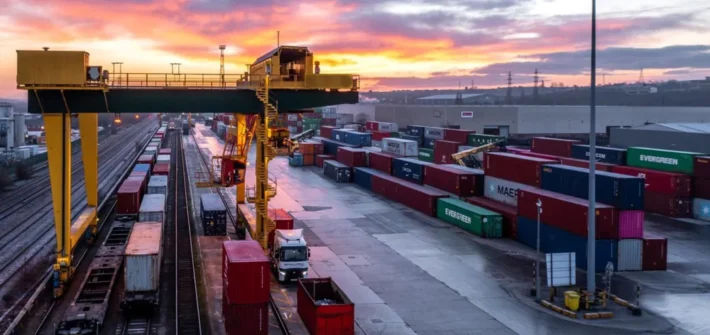
I have written many articles about planning, strategic planning, urban development, urban design, politics of planning, and now it’s time to evaluate urban planning. In this article, I go through the application for the development of the former Parkside Colliery, located on the south-eastern edge of Newton-le-Willows, approximately 1 km north of Winwick in the […]
What is transit oriented development TOD?
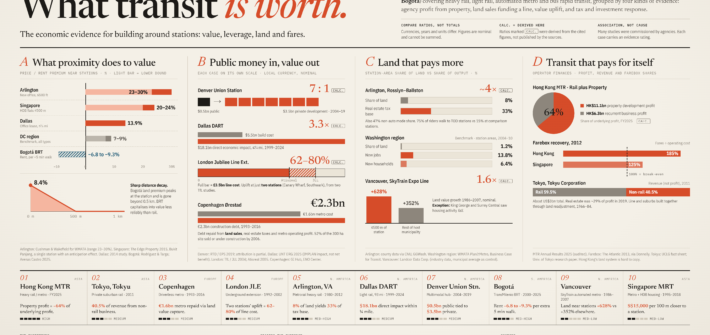
What is transit oriented development TOD? is an article that defines it in academic and practice, and who invented it. The article shows the (when) reason to go to this type of development and when. In addition, it shows why the private sector or public sector approaches this type of development and what benefits it […]
Public Participation in Architecture: The Political Agenda and How It Works at Every Scale
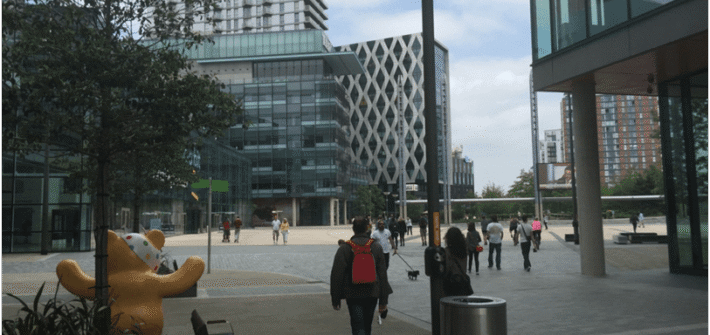
Public participation in architecture, also known as participatory architecture, is the involvement of the people who will use, live near, or be affected by a building or place in the decisions that shape it. Related terms include participatory design and community engagement. Participation happens at every scale, from a family briefing the designer of their […]
Urban sprawl: research, practice, methods and tools for planners, and innovative solution

Introduction The city in the middle of the desert is growing fast, but urban sprawl has not appeared there yet. From open desert in 1972 until late 2000, the city moved forward very fast in terms of urban growth. The government opened the doors for people from all over the world to come and live […]
Land Use Change, Betterment and Compensation: UK vs US

This article investigates planning practice concepts used to deal with the most important factor influencing the pace of urban development: land value. At the time of urban development, officials and planners are directed to tools such as changing land use and offering compensation to landowners to facilitate the development project. Land use is influenced by […]
Transport planning and modelling: how they work together in practice
Transport planning vs transport modelling is an article that defines the two fields. It shows the series of activities involved in the two fields. Who uses these two fields, and in which projects or location. The article aims to identify the use of the two fields in practice related to an urban design project. The […]