
What a consultant’s career and a wide range of real-world users reveal about choosing between two design tools Introduction Few questions divide architects and engineers as reliably as AutoCAD vs Revit. Search for it and you will find thousands of forum threads, vendor case studies and opinionated blog posts, most of them trying to crown […]
Green Belt in Practice: Origin, Development, and Outcomes
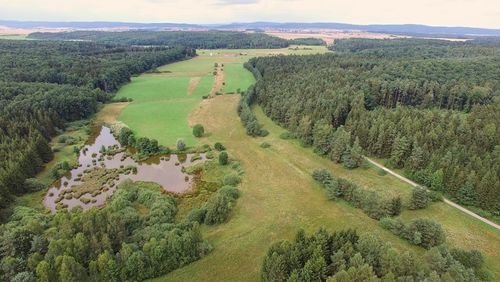
Introduction The green belt is a term that students of architecture, urban design and planning meet early. It comes up in undergraduate planning courses, and anyone who works in an urban design or planning firm will come across it often. My own experience was different. In my earlier professional career, I did not come across […]
The Client Representative in Real Estate Development: Role, Models and examples from Practice
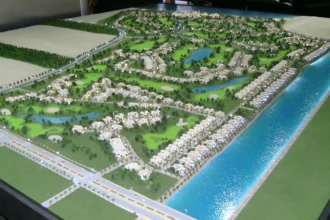
This article starts from an example in practice. On the Legends of Arabia and Business Bay projects, a client representative worked between two entities: the developer, Legends, and a project management company owned by the same group. The representative spoke for the client, and the PMC and did not represent any consultant. That arrangement is […]
Postmodernism: A Reading in Theory of Architecture Criticism, 1980–2026
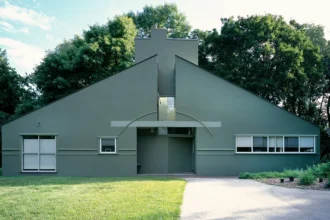
Introduction Postmodern architecture drew criticism from the moment it became a named movement, and the criticism changed as much as the buildings did. This article asks how postmodernism was criticised and how that criticism changed between 1980 and 2026. It reads one dimension, the design: what critics found wrong in the buildings, in the principles […]
Parkside Strategic Rail Freight Interchange planning application: what to evaluate?

I have written many articles about planning, strategic planning, urban development, urban design, politics of planning, and now it’s time to evaluate urban planning. In this article, I go through the application for the development of the former Parkside Colliery, located on the south-eastern edge of Newton-le-Willows, approximately 1 km north of Winwick in the […]
What Is a Project Brief in Architecture? Who Writes It, What It Contains and Why It Matters
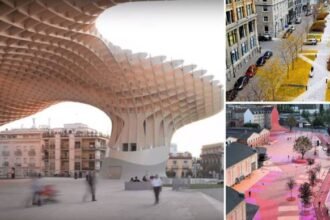
Introduction Every building begins as a conversation before it becomes a drawing. Somewhere, a person or an institution says: “We need this, for these people, on this site, for this much money, by this date.” When that conversation is written down, shared and agreed, it becomes a project brief. It is the least glamorous document […]
The Construction Architect: Role, Duties and examples from practice
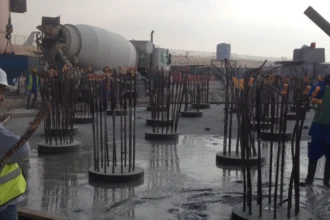
A construction architect is an architect who works inside a contracting or design-build company. He or she does not work for the client’s consultant. The title is less known than “site architect” or “architect of record,” yet the role is common on large projects in the Gulf. This article explains what a construction architect does […]
What is transit oriented development TOD?
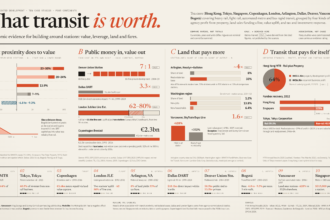
What is transit oriented development TOD? is an article that defines it in academic and practice, and who invented it. The article shows the (when) reason to go to this type of development and when. In addition, it shows why the private sector or public sector approaches this type of development and what benefits it […]
Architecture Modern Movement: A Century of Criticism, 1920–2026
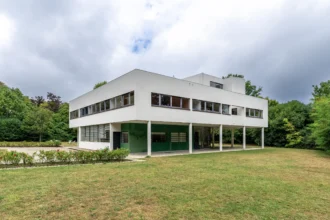
Architects, professionals and academic researchers have criticised the architecture modern movement since the 1920s, and the argument has not stopped. This article draws on two directions of research. The first looks at the factors of criticism related to the movement’s design and its core ideology. The second looks at how criticism changed through history, and […]
Public Participation in Architecture: The Political Agenda and How It Works at Every Scale
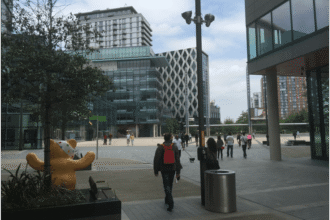
Public participation in architecture, also known as participatory architecture, is the involvement of the people who will use, live near, or be affected by a building or place in the decisions that shape it. Related terms include participatory design and community engagement. Participation happens at every scale, from a family briefing the designer of their […]