This article examines how the smart city concept affects urban design, architecture, and planning. It asks whether the use of digital technology and data fundamentally changes the principles and practice of city design. Or whether smart-city technology simply provides new tools for improving conventional approaches to urban development.
Background
The energy crisis and environmental pollution concerns in the 1960s and 1970s led to the concept of green building systems. The green building movement in the US came into reality because of many goals and desires for more energy-efficient and environment-friendly construction practices. Buildings pursuing this level of efficiency increasingly aim for net zero energy building performance. Green building brings together a vast array of practices, techniques, and skills. That’s so to reduce and ultimately eliminate the impacts of buildings on the environment and human health. Green building systems became a must application of various rules and regulations in many developed countries in the world. And countries who are simulating them to use natural power like sun, air, light in reducing the building electricity consumption. Also, in making the building environment healthier.
Applying the system in building design and construction is to make sure the efficient use of materials and resources. In addition, to make the urban space design less damaging to the environment. Also, these rules and regulations equip buildings with many digital devices such as occupancy sensors, thermal air sensors, digital fire alarm control boards, eco-friendly elevators, and so on. For a deeper look at the underlying green building concept, see what is green architecture? after a long time of applying these rules and regulations organizations realized the system impact. That still, this system is not reducing the environmental damage, and construction cost is relatively similar to the conventional system.
The public and other agencies were concerned about human impacts on the environment. Surely, the most important environmental issues since about the year 2000 have been climate change, loss of biodiversity and environmental pollution, and land degradation (such as deforestation and general degradation of ecosystems). The problem became bigger and larger than the application of rules and regulations to building design and construction. Sustainability became the main concern of most world organizations and government and private sector. That’s due to its positive impact on the three pillars of its structure (social, economic, and environment).
Here sustainability deals with the larger scale developments. For example, the urban design of towns, urban regeneration, and city design. It deals with social problems such as human well-being and living comfort. Also, the efficient and economic use of materials and natural resources in development projects. Reducing the environmental damage when developing and protecting nature and wildlife. Sustainability comes with a set of rules and regulations for proper mobility, eco-friendly development, and protecting nature. Here we are protecting our earth and humans from improper human use of natural resources.
The introduction of a green building system and sustainability has impacted architecture and urban design positively. Furthermore, improved the way architects and urban designers work. This connects closely to what is sustainable urban development?, which expands on the same three pillars.
What are smart cities? What is their influence on city architecture and urban design?
Different sources define a smart city in different ways. Smart cities put data and digital technology to work to make better decisions and improve the quality of life. More comprehensive, real-time data gives agencies the ability to watch events as they unfold. Also, understand how demand patterns are changing, and respond with faster and lower-cost solutions. Another definition describes a smart city as a place where digital solutions make traditional networks and services more efficient for the benefit of its inhabitants and business. The smart city council defines a smart city as a city that includes three core values livability, walkability, and sustainability.
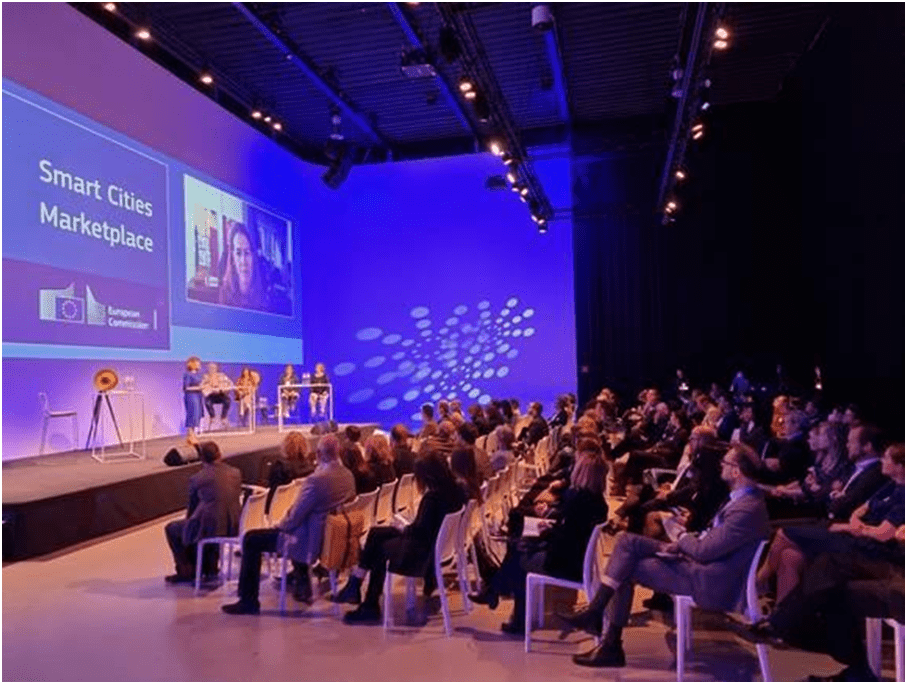
The smart city concept centers around the open system interconnection model, connecting city public sector infrastructure with a city application system. Cities already use this idea: all census systems connect to, and stay open for, the public sector to use. The system collects data from inhabitants through online forms that require users to enter their information. Data like family member’s age, gender, employment, wages, workplace, and other information. The health system follows a similar procedure. The city transport system has already established various online platforms providing data. These include train movements and future schedules and ticketing systems. That is similar to most taxi companies having their apps for inhabitants to use. The education system also connects through its interface, giving students access to their study modules and schedules. While Turnitin handles assignment marking online.
The smart city concept came not to connect humans, the public sector, and data, as it is apparent in most information, circled online. The public sector needed more control over the data of provided services in the city including transport system, sewage plants, recycling plants, water treatment, and environmental data like pollution levels in the air, water, and earth. This kind of data collection is central to what is environmental planning? Adding to that public places use open parks, events locations, and shopping data. That all to serve urban planning public sector officials to collect more accurate data since it is coming through their internet connection and infrastructure to make a better and more efficient decision about allocating the proper resources for development.
Clients, architectural firms, and even authorities responsible for approving a building permit will conduct the same communication, design and construction procedure, and approval process within the smart cities concept and city. The number of people entering a public park will not affect the way the architect deals with the building design. The increase in public transport use or congestion will not affect the building’s orientation or layout. An increase in recycling or the amount of waste in treatment plants will not affect the building services design but rather the tie point connection. The devices installed in the building that control light, electrical consumption, and pollution in internal spaces will not affect innovation in architectural design.
Urban design for urban development projects within the smart city also is not different than the conventional city. For more on how disciplines divide this work, see urban design vs urban planning. The urban design of a city includes the involvement of many disciplines and is a complex activity (refer to my article series of the city in layers for more details). Agencies handle transport systems and road network development, collecting data themselves from smaller companies to assess development needs. Planners plan future transit node locations depending on these data. This is closely tied to what is transit oriented development TOD?, The data behind these decisions comes from transport planning vs transport modelling.Which explores how transit nodes shape development.
Urban designers can access these data when development for an area is approved to consider the recommendations and the requirements of roads network and transit within the new development. Green space network is one of the important aspects in consideration in the new development, for that any previous data about the existing green space size, usage will not affect the urban design. The new development will integrate its infrastructure requirements into the existing network and accommodate any new addition. Data-driven planning extends beyond cities too — see enhancing rural planning by developing transport networks. The urban development design will consider all principles of urban design and sustainability to protect humans and the environment from damage and provide a healthy and pleasant environment for work and living. Smart cities concepts and ideas will not affect how planners build the urban development plan or how they design and implement the development.
Finally, planners invented the smart cities idea and concept to increase the efficiency of public sector planners’ performance and to give them a system for making better decisions.